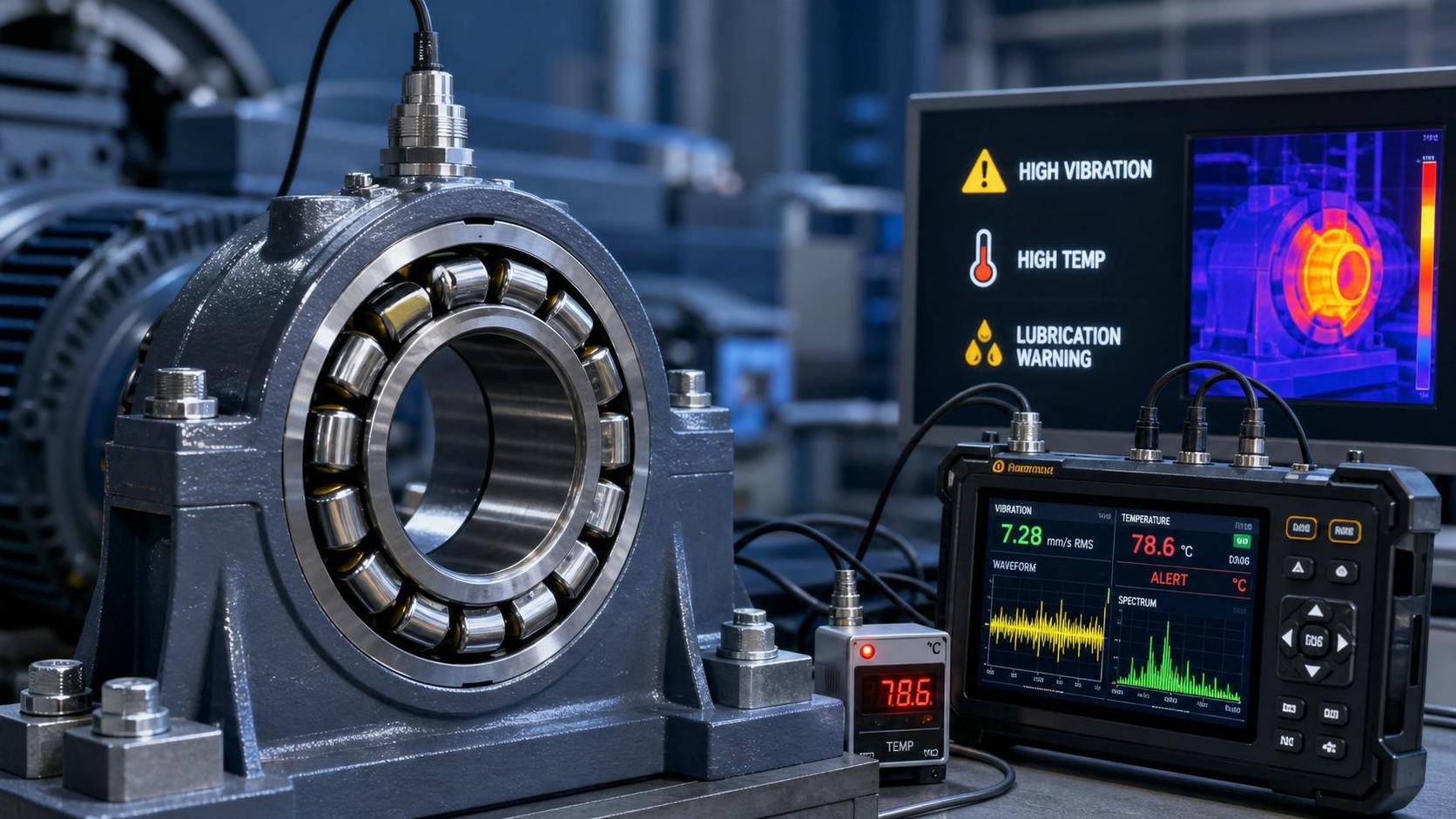
Why early Self-Aligning Roller Bearing signs matter in real operating conditions
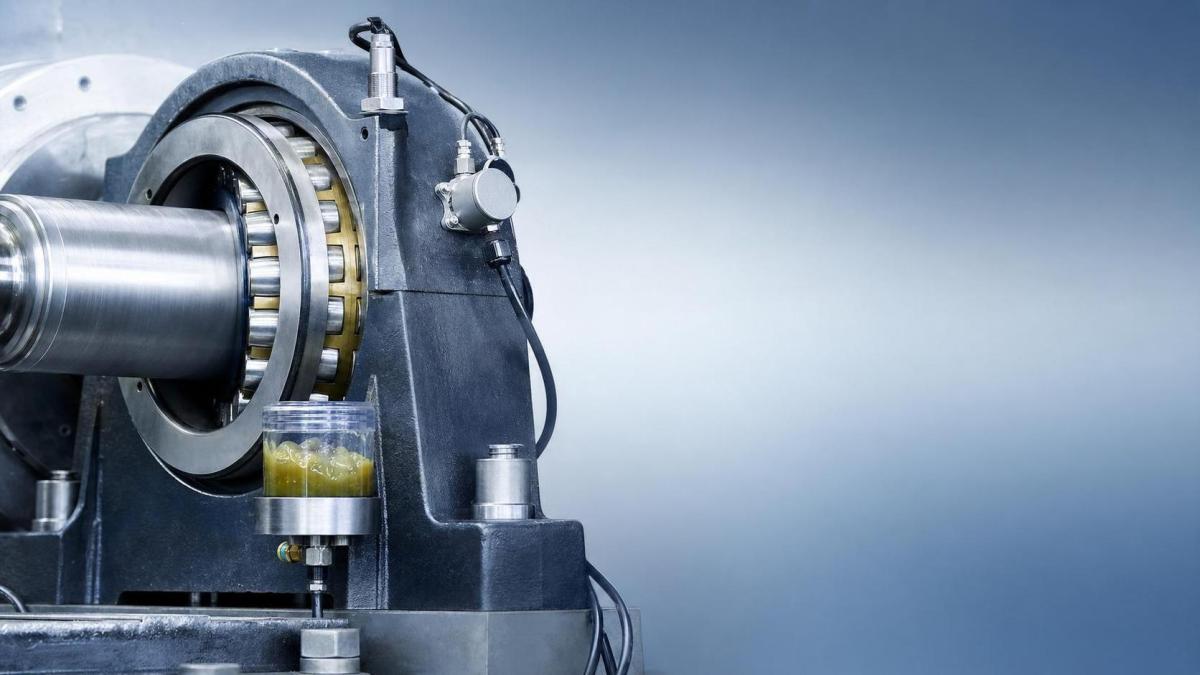
A failing Self-Aligning Roller Bearing rarely stops without warning. In most installations, the early clues appear days or weeks before a shutdown.
That timing matters because unplanned bearing damage often spreads beyond the housing. Shafts, seals, gears, and lubrication systems can all be affected.
In actual service work, the same symptom does not always mean the same fault. Noise in a steel mill line differs from noise in a wind power drivetrain.
This is why Self-Aligning Roller Bearing inspection should follow the application context, not only the catalog specification or replacement interval.
Liaocheng Tianyue Bearing Co., Ltd. has worked across machine tools, coal mines, automobiles, steel plants, and wind power through long-term bearing development and production.
That cross-industry experience shows a practical truth. Bearing failure signs become meaningful only when load pattern, contamination level, speed, and alignment history are judged together.
Different sites create different Self-Aligning Roller Bearing warning patterns
A Self-Aligning Roller Bearing is chosen because it can handle heavy radial loads and tolerate some misalignment. That does not make it equally forgiving in every environment.
In dusty conveyors, grease condition often speaks first. In high-speed machinery, temperature and vibration usually move earlier than visible wear.
Where impact load is frequent, roller path fatigue may build fast even when average operating temperature looks normal. This is a common source of delayed diagnosis.
More careful maintenance teams compare the symptom with the operating profile. They ask what changed in speed, preload, sealing, lubricant, or shaft behavior before changing the bearing.
When vibration means more than imbalance
Abnormal vibration is often the earliest usable Self-Aligning Roller Bearing failure sign. Yet it is also one of the most misread signals in the field.
In mining conveyors or steel processing equipment, vibration is sometimes blamed on structure looseness alone. That can hide internal bearing damage for too long.
The better approach is to compare vibration shape, not only vibration level. A stable imbalance pattern differs from random spikes caused by spalling or contamination.
If the vibration trend grows after lubrication, the issue may not be grease shortage. It may point to overgreasing, blocked purge routes, or damaged rolling surfaces.
This is especially important where replacement parts vary by position. A line may use roller bearings in one assembly and smaller units such as 6200 6201 6202 6203 6204 6205-2RS Deep Groove Ball Bearing Original Package elsewhere.
Treating every vibration event as the same mechanical issue usually leads to partial fixes and repeat downtime.
Heat and noise become critical in faster or cleaner systems
Rising temperature is a familiar warning, but context still matters. In cleaner, faster-running systems, even a modest temperature increase deserves attention.
Machine tools and automotive equipment often show this pattern. The Self-Aligning Roller Bearing may still rotate smoothly, yet friction has already increased.
Noise adds another layer. A dry metallic sound usually suggests lubrication failure. A repeating knock may indicate internal clearance change or local raceway damage.
If both heat and noise rise together, inspection should move beyond the bearing surface. Check shaft fit, housing geometry, and whether axial movement exceeds design intent.
- Fast heat rise after startup often points to lubrication quantity or fit issues.
- Slow heat rise under stable load may suggest contamination or progressive wear.
- Noise that changes with load is usually more serious than noise that stays constant.
In dirty and heavy-load service, lubrication tells the real story
For a Self-Aligning Roller Bearing working in coal mines, steel mills, or outdoor material handling, grease condition is often the clearest failure indicator.
Dark grease alone is not enough to call a failure. Grease can darken from normal service. The more useful question is whether texture, moisture, or particles have changed.
Metallic particles suggest wear progression. Water contamination points toward sealing weakness. Hardened grease may indicate wrong relubrication interval or unsuitable base oil.
In these environments, teams often replace the Self-Aligning Roller Bearing without correcting the ingress path. The new unit then repeats the same failure cycle.
This is where manufacturing quality and inspection discipline matter. Companies with dedicated testing equipment and precision grinding capability tend to support more stable service performance under demanding conditions.
What gets missed when similar applications are treated as identical
Two machines may use a Self-Aligning Roller Bearing of similar size, yet require different maintenance decisions. This is common between wind power auxiliaries and industrial transmission systems.
One application may face variable load and long intervals between service windows. Another may run at steadier load but with constant contamination risk.
The same symptom therefore changes meaning. Slight roughness during rotation could be acceptable wear in one location and a shutdown trigger in another.
A related mistake is focusing only on purchase cost. In reality, access difficulty, replacement time, lost output, and collateral damage often outweigh the bearing price itself.
How to decide whether inspection or replacement should come first
Not every warning sign requires immediate bearing replacement. Some require faster inspection, operating adjustment, or lubrication correction before a final decision.
A useful rule is to judge the symptom by trend, severity, and consequence. One loud event after shock loading differs from a rising weekly vibration trend.
Inspection should move quickly when several signs appear together. Heat plus noise plus grease contamination usually means the Self-Aligning Roller Bearing is already in an advanced damage stage.
If shutdown planning is possible, confirm fit condition, seal status, lubricant type, and load history before ordering the next unit. This helps avoid repeating the same failure mode.
In mixed bearing inventories, it also helps to review adjacent rotating parts. Some lines combine roller bearings with deep groove units such as 6200 6201 6202 6203 6204 6205-2RS Deep Groove Ball Bearing Original Package, so system checks should not stop at one position.
A practical next step for reducing repeat Self-Aligning Roller Bearing failures
The most reliable way to reduce repeat Self-Aligning Roller Bearing failure is to build a simple judgment standard around actual operating conditions.
Start with three records. Track vibration trend, temperature change, and grease condition for each critical location. Then connect those records with load and environment notes.
From there, compare which symptoms appear first in each application. That creates a more useful maintenance baseline than relying on generic service intervals alone.
Where operating demands are severe, support from a supplier with research, design, and production capability can improve both diagnosis and replacement consistency.
The main point is straightforward. Do not treat abnormal vibration, rising temperature, unusual noise, or degraded lubrication as isolated events. In a Self-Aligning Roller Bearing, they are often linked signals that deserve timely action.

Thank you very much for writing to us. Please leave your message and contact information, we will reply to you within 24 hours.