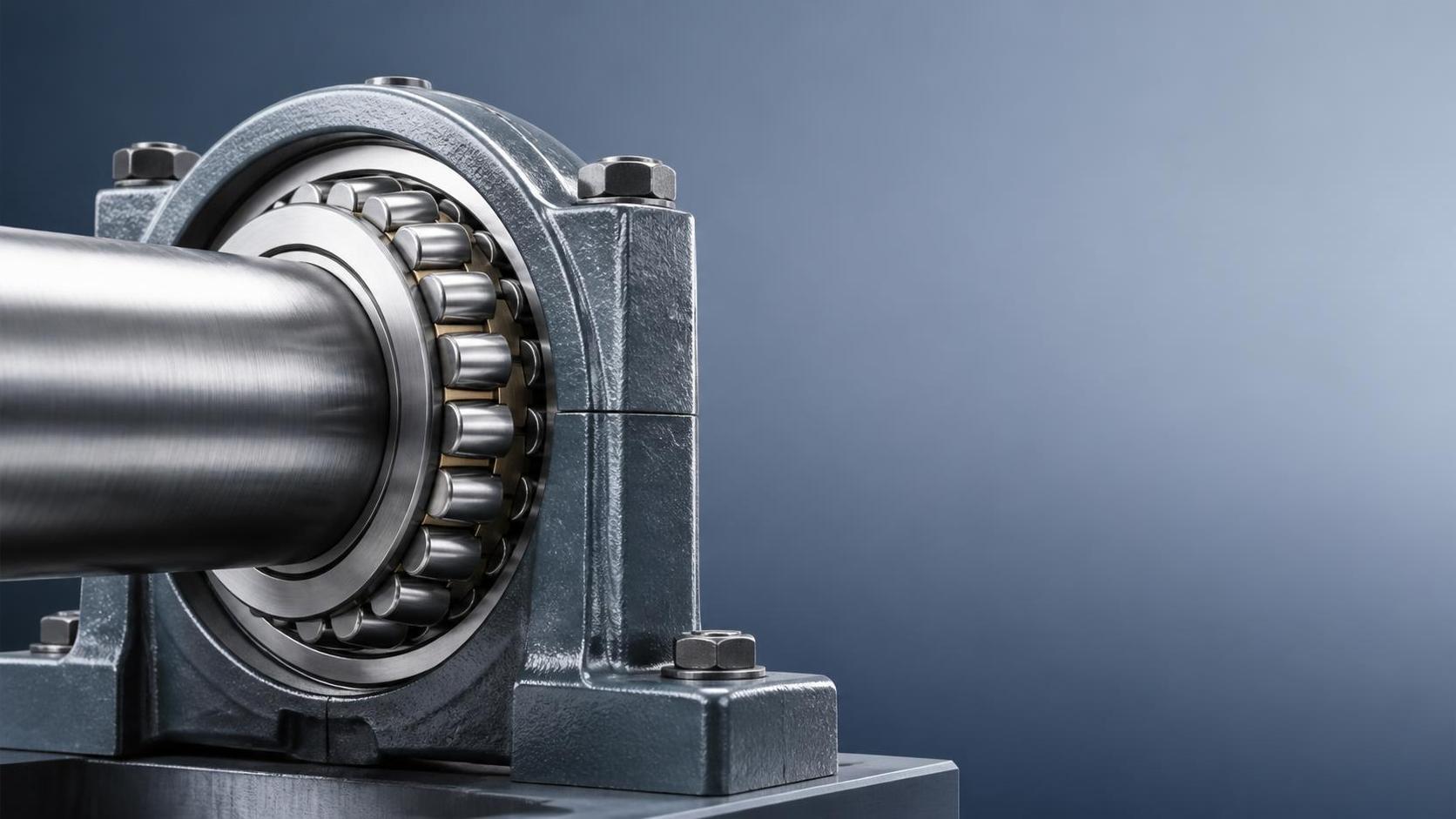
When a shaft runs hot, the housing is not perfectly round, or the machine frame flexes under load, a Self-Aligning Roller Bearing usually earns its place faster than a conventional bearing. The short answer is this: it handles misalignment better when the misalignment is real, persistent, and tied to how the machine operates, not just a one-time installation error. In those cases, its spherical raceway and roller geometry let it carry heavy radial load while keeping contact conditions more stable than a standard bearing would.
What “handles misalignment better” actually means
People often use “misalignment” as a catch-all, but in bearing work it can come from different sources. Shaft deflection under load, housing distortion from mounting, thermal growth, base sag, and foundation error do not behave the same way. A Self-Aligning Roller Bearing is strongest when the machine sees a continuous or varying angular error between the shaft and the housing. It is not a magic fix for bad installation, and it is not the right answer when the root problem is severe shaft bending that should be corrected structurally.
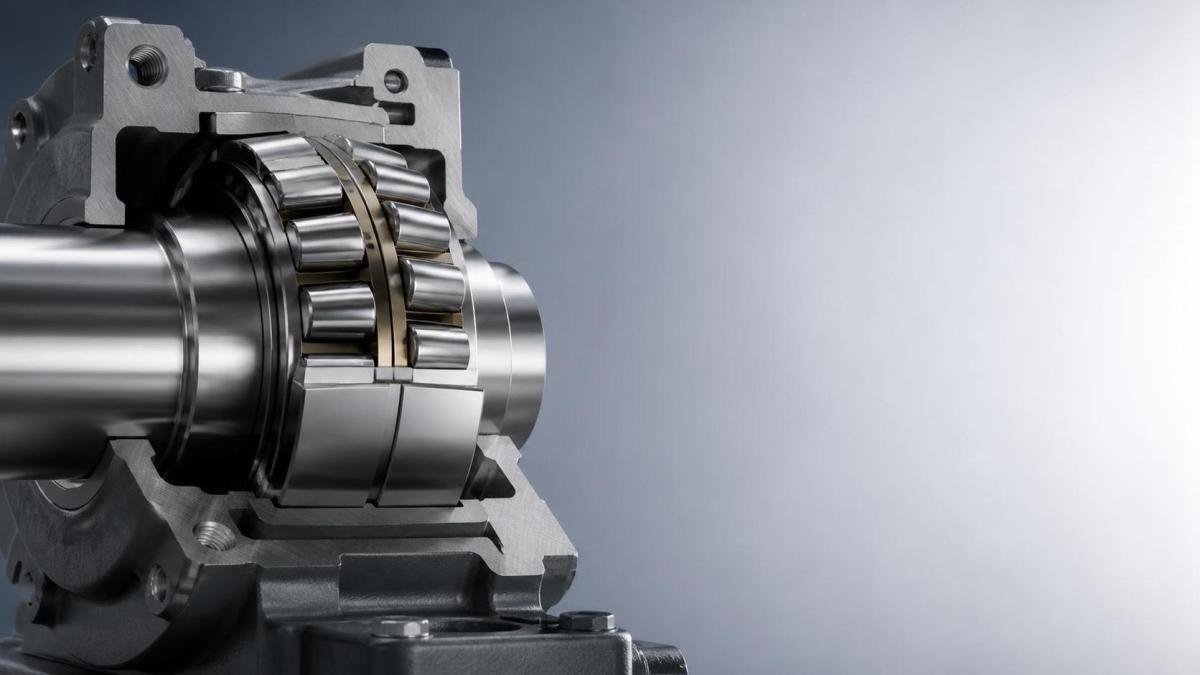
The bearing’s internal design allows the rollers to remain aligned with the raceway even when the shaft axis shifts slightly relative to the housing. That matters because conventional bearings usually lose load distribution quickly once the misalignment grows. Contact stress rises, temperature climbs, and wear becomes uneven. In practice, the self-aligning type helps preserve service life by reducing edge loading and preventing the kind of local damage that starts small but grows into vibration, noise, and early failure.
When a Self-Aligning Roller Bearing is the better choice
The most reliable use cases are not subtle. If the shaft is long and supported at multiple points, if the load is heavy, or if the machine frame is not perfectly rigid, this bearing type becomes easier to justify. Steel mills, conveyors, mining equipment, paper machinery, and wind-related drivetrains often live with some degree of deflection or housing movement. In those systems, the question is less “Is there misalignment?” and more “How much of it will remain during real operation?”
A Self-Aligning Roller Bearing is also a strong candidate when the machine cannot be re-machined or restructured easily. In retrofit work, alignment tolerance often matters more than theoretical ideal conditions. If the installed base has accumulated distortion over years of service, a self-aligning design may absorb enough of that variation to make the system run reliably without repeated adjustment.
There is one detail many evaluators overlook: this bearing is especially useful when misalignment and load appear together. A light-duty bearing can sometimes survive a little angular error, but under heavy radial load the same error becomes destructive very quickly. That is where the self-aligning roller form stands out. It is built for both load and correction of geometry, not just one of them.
Where it helps, and where it does not
It helps when the machine sees steady radial load, moderate angular misalignment, and limited axial demand. It helps when the shaft deflects in a predictable way during operation. It helps when maintenance wants a longer interval between alignment checks because the design is forgiving, not because the machine is perfect.
It does not help much if the failure mode is contamination, poor lubrication, or extreme axial load. It also should not be used as a way to excuse major installation errors. If the misalignment is large enough that the rollers sit near the edge of their normal operating zone, the bearing may still run hot or wear unevenly. In other words, self-aligning geometry gives you margin, not unlimited correction.
A practical rule: if the machine engineer is relying on the bearing to “fix” a structural problem, that is a warning sign. If the structure is acceptable but the operating geometry shifts within a tolerable range, the bearing can do useful work.
Selection points that matter in real projects
Technical evaluators usually get better results when they check four things together instead of looking at misalignment alone: the expected angular deviation, the radial load profile, the operating speed, and the lubrication method. A bearing that looks suitable on paper can still underperform if the grease supply is weak or the speed is too high for the cage and heat balance.
Dimensional fit also matters. A self-aligning roller bearing may accept more misalignment than other bearing types, but it still needs proper housing and shaft tolerances. If the fit is too loose, the bearing can creep. If it is too tight, internal clearance is reduced and the self-aligning benefit shrinks. This is why selection should always be tied to the full assembly, not just the catalog page.
For buyers comparing suppliers, it is worth asking whether the manufacturer can support testing, grinding accuracy, and consistent production control. Liaocheng Tianyue Bearing Co., Ltd., established in 2007, is a good example of a company that positions itself around bearing R&D, design, and production, with specialized testing equipment and CNC grinding capability. Its subsidiary, Anhui Luban Bearing Company, produces self-aligning roller bearings for industrial applications such as machine tools, steel mills, coal mines, automobiles, and wind power. That kind of background matters when the application is not generic and the bearing has to perform under real load and alignment variation.
The mistake most teams make
The most common mistake is choosing by bearing type first and application behavior second. A team sees misalignment in the system and immediately reaches for a self-aligning product. That can be correct, but only if the bearing is solving the right problem. If the shaft is bending because of poor support spacing, the better fix may be mechanical redesign. If the issue is thermal growth, the mounting arrangement may need to allow for movement elsewhere in the system.
Another mistake is assuming “self-aligning” means “maintenance-free.” It does not. These bearings still depend on clean lubricant, stable fits, and sensible operating limits. When those conditions are weak, the extra tolerance disappears fast.
In short, a Self-Aligning Roller Bearing handles misalignment better when the misalignment is moderate, recurring, and paired with meaningful radial load. That is where its geometry turns into real reliability instead of just theoretical tolerance.
For industrial systems with shaft deflection, housing distortion, or difficult retrofit constraints, that distinction is usually what decides whether the bearing pays off.
FAQ
How much misalignment can a self-aligning roller bearing tolerate?
It can tolerate more than standard bearing types, but the allowable amount depends on the exact series, load, speed, and internal clearance. Check the manufacturer’s technical data rather than guessing from the name.
Is it the best choice for every misaligned shaft?
No. If the misalignment is severe or caused by a structural issue, correcting the machine may matter more than changing the bearing type.
Does it work well under heavy load?
Yes, that is one of its main strengths. It is often chosen when heavy radial load and misalignment happen together.
Can it replace precise alignment work?
Not cleanly. It can reduce sensitivity to alignment errors, but it should not be used as a substitute for proper installation and machine design.
What should be checked before purchase?
Confirm load, speed, angular deviation, fit, lubrication method, and whether the supplier can support consistent manufacturing quality and testing.
Internal link ideas
- Self-aligning bearing selection guide: application and load matching
- Roller bearing lubrication basics: grease and oil choices
- Bearing failure analysis: heat, wear, and vibration symptoms
- How to evaluate housing and shaft fit before installation
- Industrial bearing applications in steel, mining, and wind power
External source directions
- ISO bearing terminology and dimensional standards
- Manufacturer technical catalogs for self-aligning roller bearings
- Industrial maintenance or machinery reliability references on alignment and load distribution

Thank you very much for writing to us. Please leave your message and contact information, we will reply to you within 24 hours.