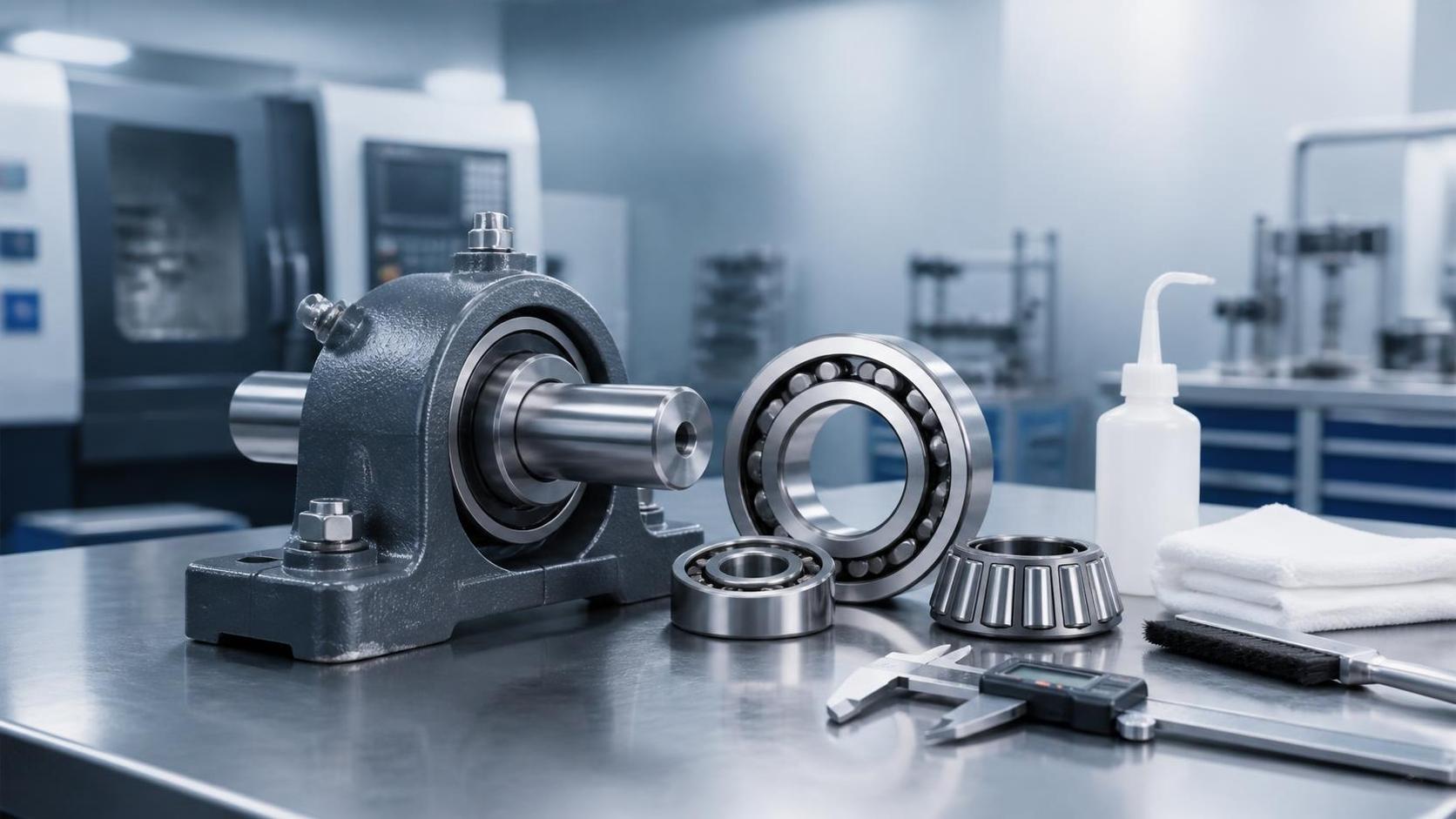
Precision bearing failures often start long before the machine is put back into service. In after-sales work, the difficult part is not always the bearing itself, but the small installation mistakes that quietly shorten its life. A bearing may feel smooth by hand and still fail early if it was handled poorly, fitted with the wrong interference, or installed with misalignment that was not noticed during assembly.
If you have ever dealt with repeat noise, heat, vibration, or a bearing that comes back too soon after replacement, the problem is often worth tracing back to the installation stage. That is where many common errors begin, and that is also where most of them can be prevented with a disciplined process.
When a new bearing does not stay new for long
One of the most frustrating situations for maintenance staff is replacing a bearing, checking the machine, and still hearing abnormal sound or feeling excess temperature soon after startup. It is easy to suspect poor product quality, but in many cases the bearing was damaged during fitting or the surrounding parts were not prepared correctly.
A Precision Bearing has little tolerance for careless handling. Cleanliness, fit, alignment, and mounting force all matter. If one step is off, the contact pattern inside the bearing changes. That can lead to uneven load, cage stress, premature wear, or surface damage that may not be visible until the equipment has already been running for a while.
The mistakes that cause trouble most often
Contamination is usually the first problem to look at. Dust, metal chips, lint, or old grease left in the housing can enter the bearing during assembly. Even if the bearing is sealed, contamination around the seat or shaft can still affect fit and cause early damage. Keeping parts covered, wiping tools clean, and preparing a controlled work area are simple habits that make a real difference.
Another common issue is incorrect handling. Dropping a bearing, placing it directly on a dirty bench, or applying force through the rolling elements can create hidden damage. A bearing may still rotate, but small dents on the raceway can later turn into noise or vibration. For precision applications, it is better to handle the unit with clean gloves and use proper tools rather than improvising with hammers or general-purpose punches.
Misalignment is just as damaging. If the shaft, housing, or mating components are not aligned, the bearing will not carry load evenly. This is especially important when the machine uses paired bearings, long shafts, or tight mounting arrangements. Some people try to “pull it into place” by tightening surrounding parts harder, but that often makes the stress worse.
Fit errors also shorten service life. A loose fit can allow creep, heat buildup, and wear at the seat. An overly tight fit can reduce internal clearance and overload the bearing before the machine even starts working. The correct fit depends on the application, load direction, speed, and operating temperature, so it is worth checking the specification instead of relying on habit.
A practical way to review the installation process
When a bearing installation needs to be checked, start with the basics: shaft condition, housing condition, cleanliness, and dimensional accuracy. If the mounting surfaces show burrs, scratches, rust, or old adhesive residue, the bearing may not seat properly. Those small surface defects can be enough to disturb the running path.
Next, look at the mounting method. The force should be applied to the ring being fitted, not passed through the rolling elements. When heating is required, it should be controlled and even, not rushed. Excess heat can change material properties or damage seals and grease. If the bearing is mounted cold, the tool should press squarely and smoothly, without impact.
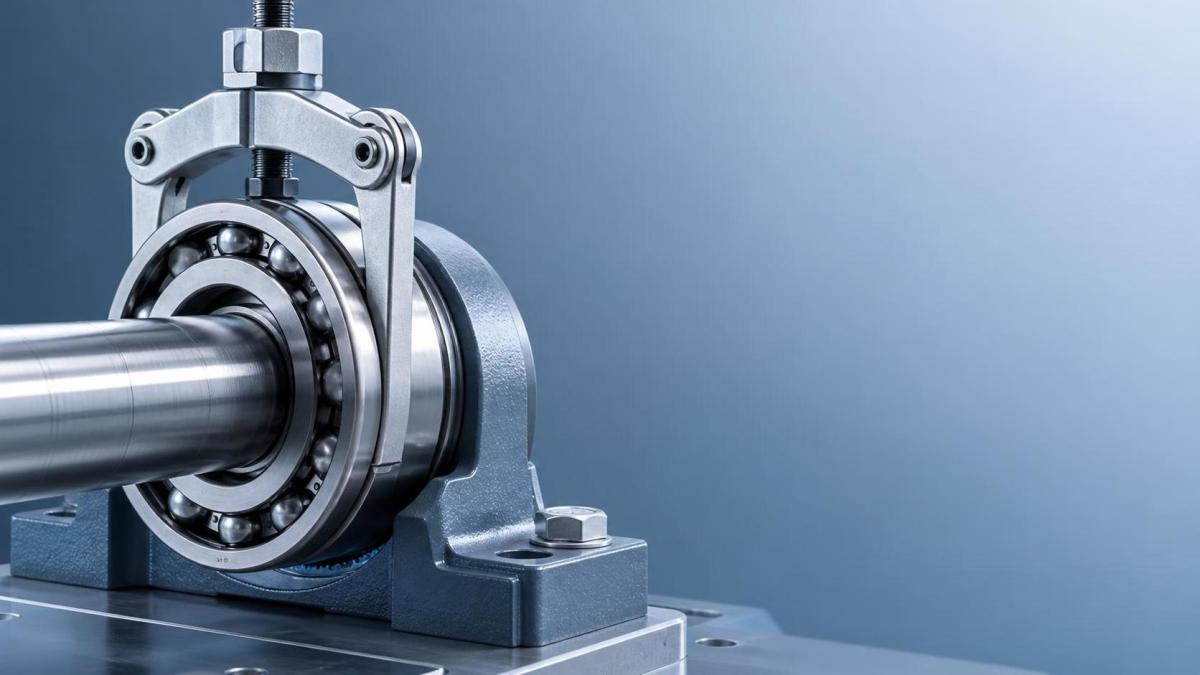
After mounting, rotate the shaft by hand if the machine design allows it. The movement should feel smooth and consistent, without binding or rough spots. Then check for unusual sound, abnormal drag, and visible seating issues. If the bearing is part of a larger assembly, verify preload or end play according to the machine requirement. Too much or too little adjustment can both reduce life.
Tools and habits that help avoid repeat failures
Good installation is often more about process than force. A bearing heater, soft-faced installation tools, clean measuring instruments, and dust-free storage all support better work. For Precision Bearing assemblies, precision in the setup matters as much as precision in the product itself.
It also helps to separate “looks fine” from “is correct.” A bearing can appear properly seated while still carrying uneven load. That is why maintenance teams should trust measurement and feel, not appearance alone. Checking fits, axial positioning, and the condition of adjacent parts before final assembly saves time later.
Lubrication deserves attention too. Too much grease can cause churning and heat; too little leaves metal surfaces exposed. Mixed grease types may also cause compatibility problems. When in doubt, clean out old lubricant before refilling, and follow the machine’s lubrication path rather than adding grease blindly.
When the problem is not the bearing itself
If a bearing fails repeatedly in the same position, it is worth stepping back and reviewing the whole installation chain. The root cause may be the shaft finish, the housing bore, the seal design, or the mounting method used by different technicians. In those cases, replacing the bearing alone only treats the symptom.
For after-sales teams, a useful habit is to record what was found during removal and reassembly: seat condition, contamination, fit feel, lubrication state, and any signs of misalignment. These notes make the next service visit more efficient and help separate installation errors from genuine operating overload.
Questions that come up during field work
How do I know if the bearing was damaged during installation?
Look for rough rotation, fresh marks on the raceway, dents on the ring faces, unusual noise right after startup, or heat that appears too quickly. If those signs show up soon after fitting, installation damage is a strong possibility.
Is it enough to clean the bearing itself?
No. The shaft, housing, tools, and nearby work area matter just as much. Contamination often enters from the surrounding parts during assembly, not only from the bearing package.
Should I always use heat for mounting?
Not always. Heat can help with interference fits, but only if it is controlled. The method should match the bearing type and application, and the temperature should never be pushed casually.
In practice, shortening bearing life is usually not caused by one dramatic mistake. It is more often the result of several small ones: a dirty bench, a rushed fit, a missed alignment check, or the wrong amount of lubricant. Once those habits are corrected, bearing performance usually becomes much more predictable, and repeat failures become easier to avoid.

Thank you very much for writing to us. Please leave your message and contact information, we will reply to you within 24 hours.