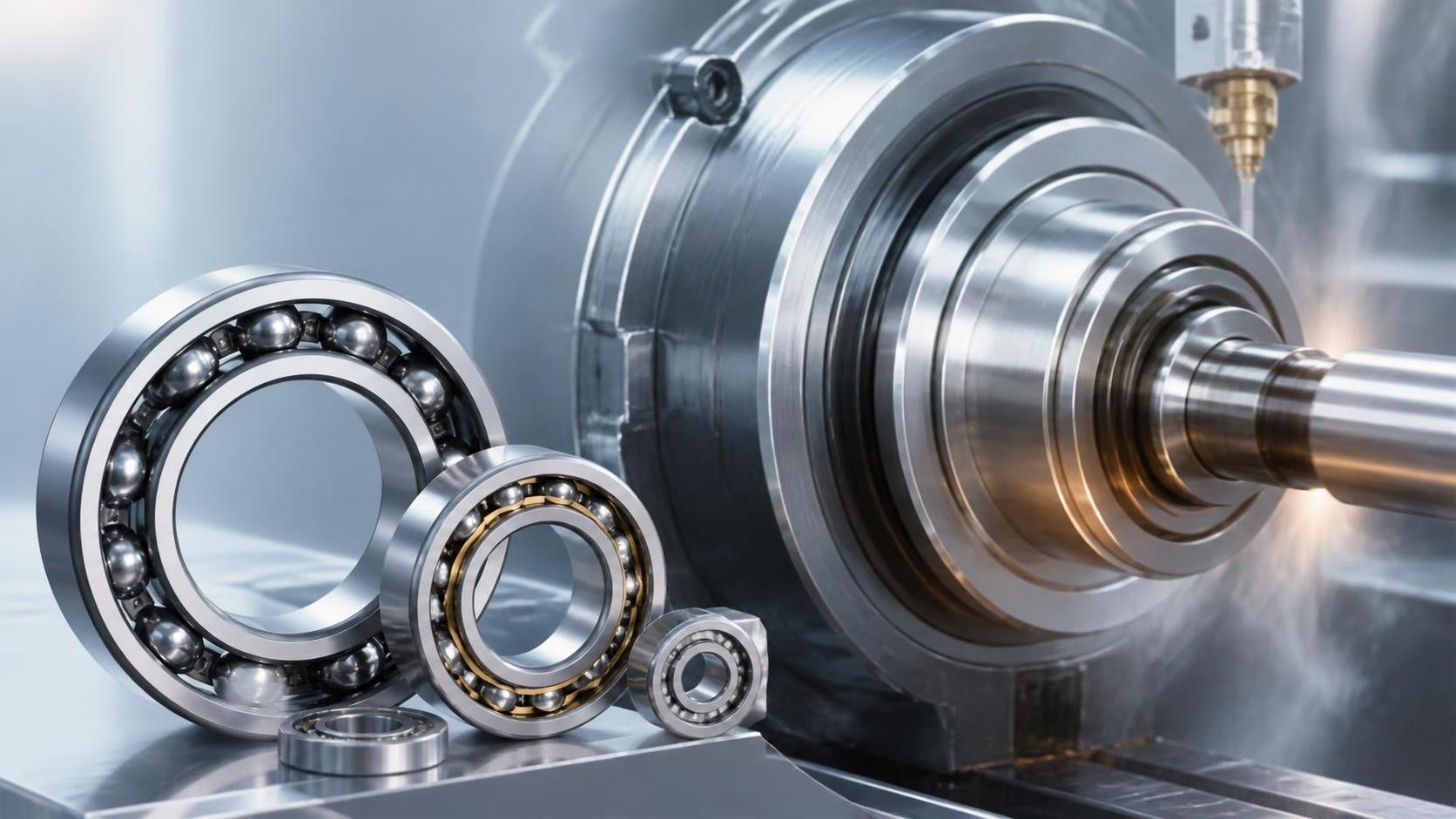
Precision Bearing noise during operation is often the first warning sign that something is wrong with installation, lubrication, load conditions, or internal wear. For operators, the sound may seem minor at first—a faint hiss, a rhythmic click, a rough hum—but in practice, it usually points to a problem that will not improve on its own. Identifying the source early can help prevent downtime, reduce maintenance costs, and extend service life.
In many workshops and production lines, people notice noise only after a machine has already changed behavior: temperature rises, vibration becomes more obvious, or the equipment starts to lose smoothness under load. That is why understanding the causes of Precision Bearing noise matters so much. The bearing is small, but its condition affects the stability of the entire machine.
Noise is not a single problem
One of the most common mistakes operators make is treating all bearing noise as the same issue. In reality, the sound pattern often gives a clue. A dry, harsh noise may suggest poor lubrication. A repeated knocking sound may point to looseness or incorrect fit. A steady rumble can come from contamination or internal damage. Even a well-made Precision Bearing can become noisy if the operating environment is not right.
The first thing to check is whether the noise appears only during startup, only at certain speeds, or throughout the entire run. That simple observation can narrow the cause more than many people expect.
Lubrication problems are usually the first suspect
When a bearing starts running with too little grease or oil, metal surfaces lose the thin film that separates them. Friction rises quickly, and the bearing begins to sound dry or squeaky. On the other hand, over-lubrication can also create trouble. Too much grease may cause churning, heat build-up, and noise that feels dull or heavy instead of sharp.
Lubricant quality matters as much as quantity. Old grease, contaminated oil, or a lubricant that does not match speed and temperature conditions can all produce abnormal sound. In high-speed applications, the wrong lubricant can be especially unforgiving. Operators should not assume that “fresh grease” automatically means “correct lubrication.”
Contamination creates rough, irregular sound
Dust, metal chips, water, and other particles can enter a bearing through poor sealing or dirty handling. Once inside, these contaminants act like abrasives. The result is often a scratchy, uneven noise that becomes more noticeable as the bearing rotates. In some cases, the noise is accompanied by vibration or a slight drop in rotational smoothness.
This is one reason cleanliness during installation is so important. A Precision Bearing may leave the factory in excellent condition, but if it is touched with dirty gloves, stored in a humid area, or mounted in a contaminated housing, the operating noise can begin long before the bearing reaches its expected service life.
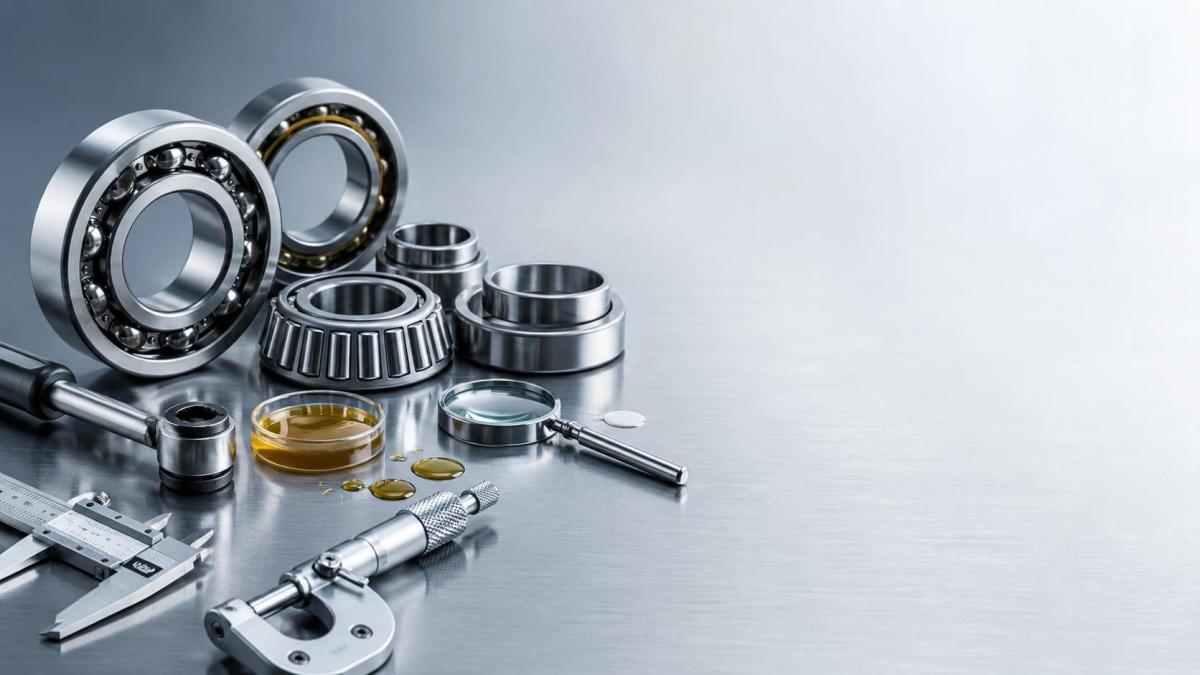
Installation errors are easy to overlook
Not every noisy bearing is defective. A surprising number of complaints come from incorrect mounting. If the bearing is forced into place with uneven pressure, the raceways can be damaged or the fit can become distorted. Misalignment during assembly is another common source of noise. When the inner and outer rings are not properly aligned, the rolling elements do not travel smoothly, and the bearing may produce a repeating tone or vibration.
Excessive preload or too much clearance can also change the sound dramatically. Too tight, and the bearing may run hot and stiff. Too loose, and it may rattle or knock under load. For operators, the challenge is that these symptoms can look similar from the outside, but the fix is different. That is why careful installation and correct fitting tolerances are so important.
Load and operating conditions can change the sound
Every Precision Bearing is designed for a specific load range, speed, and working environment. When those conditions shift, noise often appears as an early response. Overloading is especially common in machinery that works harder than planned or experiences sudden peak loads. The bearing may still rotate, but the rolling contact becomes less stable, and sound is one of the first signs of strain.
Speed changes can matter too. A bearing that runs quietly at moderate speed may become noisy at higher speed if lubrication, clearance, or cage design is not suited to the application. Temperature also plays a role. If the housing expands or the lubricant thins under heat, the bearing’s internal condition can change enough to affect noise levels.
For operators, this means one important habit: do not evaluate the bearing only when the machine is idle. Check how it behaves under the real working load.
Wear, damage, and fatigue usually leave a clearer sound
As a Precision Bearing ages, its raceways and rolling elements can develop wear marks, pitting, or fatigue damage. Noise from this stage often becomes more consistent and more difficult to ignore. The machine may still function, but the sound tends to grow rougher over time, especially if the bearing has already experienced contamination, misalignment, or poor lubrication earlier in its life.
Internal damage is often harder to correct than installation or lubrication issues, which is why timely inspection matters. Once the rolling surfaces are damaged, cleaning or relubricating may not solve the problem. Replacement is often the more reliable choice, especially in equipment where downtime is costly.
How operators can narrow down the source quickly
A practical inspection does not have to be complicated. Start with sound, then look for heat, vibration, and grease condition. If the bearing is noisy only after running for some time, heat-related lubrication failure is worth checking. If the sound changes when the machine load changes, installation or fit may be involved. If the noise is rough and irregular, contamination is a strong possibility.
It also helps to compare both sides of the machine when possible. A healthy bearing on the same unit can offer a useful reference. Differences in temperature, sound, and vibration often reveal more than a visual inspection alone.
- Listen for the type of noise: squeal, rumble, knock, or scratchy sound.
- Check whether the sound changes with speed or load.
- Inspect lubrication condition and quantity.
- Look for contamination around seals and housings.
- Review mounting accuracy, alignment, and fit.
These checks do not replace a full maintenance procedure, but they can help operators react faster and avoid unnecessary downtime.
Why bearing quality still matters
While many noise problems come from operating conditions, bearing quality sets the foundation. A well-designed and well-manufactured Precision Bearing is more tolerant of real-world conditions, especially in demanding industries such as machine tools, steel mills, coal mining, automobiles, and wind power. Consistency in material quality, raceway precision, and testing all affect how quietly the bearing can run.
At Liaocheng Tianyue Bearing Co., Ltd., bearing research, design, and production are supported by specialized testing equipment and high-precision CNC grinding machines. That kind of manufacturing control is important because quiet operation is not only about appearance or comfort—it reflects the accuracy of the bearing itself and its ability to stay stable in service.
When should a noisy bearing be replaced?
If the noise is mild and linked to lubrication or contamination, early intervention may solve the problem. But if the sound continues after cleaning, relubrication, and installation checks, the bearing may already have internal wear. In that case, delaying replacement usually increases risk. A failing bearing can damage shafts, housings, and nearby components, turning a small issue into a much larger repair.
For operators, the safest rule is simple: treat abnormal sound as a maintenance signal, not as background noise. A Precision Bearing should run smoothly and predictably. When it does not, the machine is asking for attention.
Quiet operation is not just about comfort. It is often the clearest sign that the bearing, lubricant, fit, and load are working together as they should. If the sound changes, the operating condition has likely changed too. Catching that shift early is what keeps equipment running longer and more reliably.

Thank you very much for writing to us. Please leave your message and contact information, we will reply to you within 24 hours.