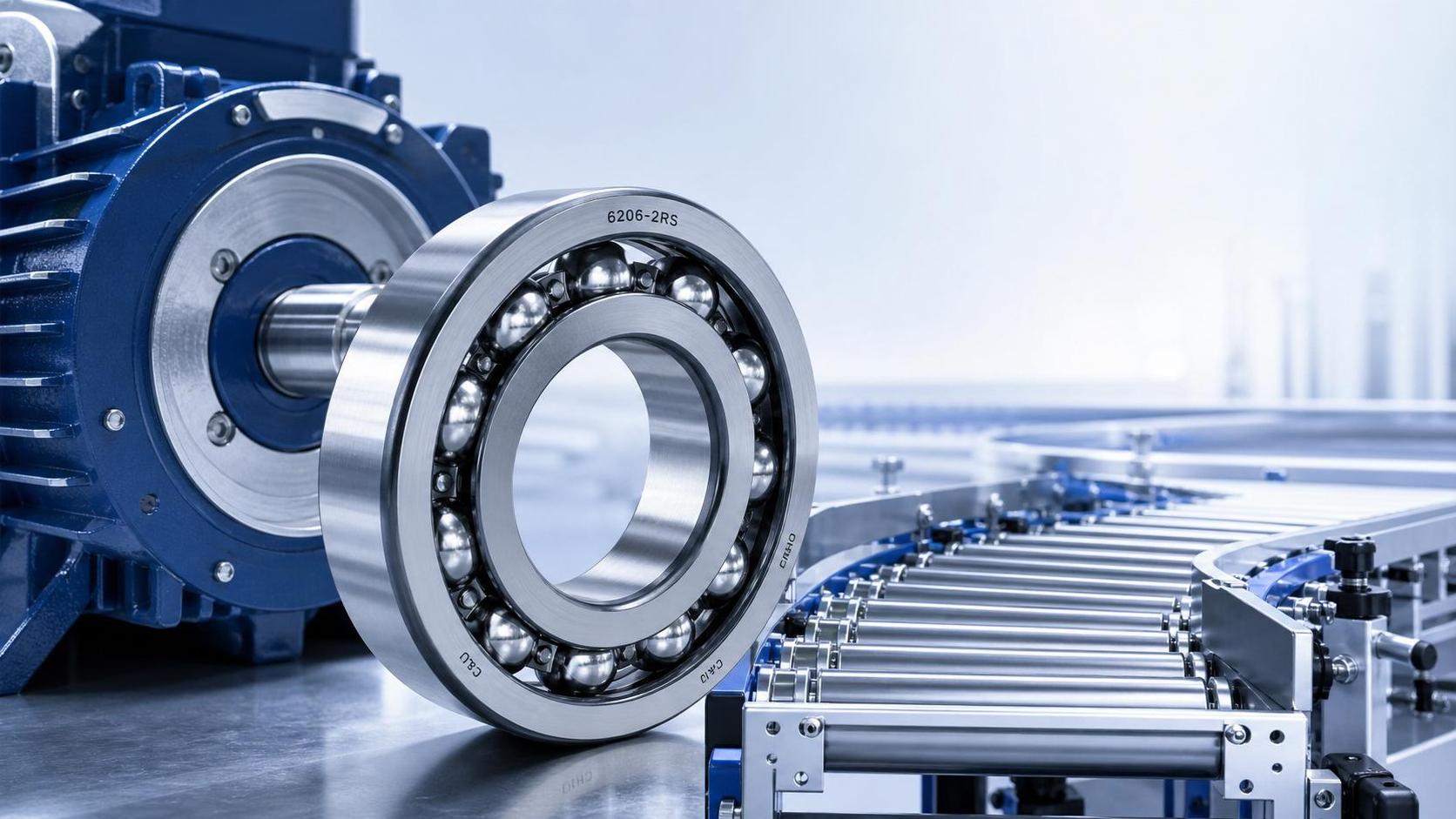
Deep Groove Ball Bearing solutions remain central to modern bearing selection because they combine simple structure, smooth rotation, and broad application fit. In sectors where uptime, noise control, energy efficiency, and replacement cost matter, this bearing type often becomes the practical baseline for comparison. From automotive assemblies to machine tools and mining equipment, its value comes not from novelty, but from dependable performance across very different operating conditions.
Why this bearing type stays relevant
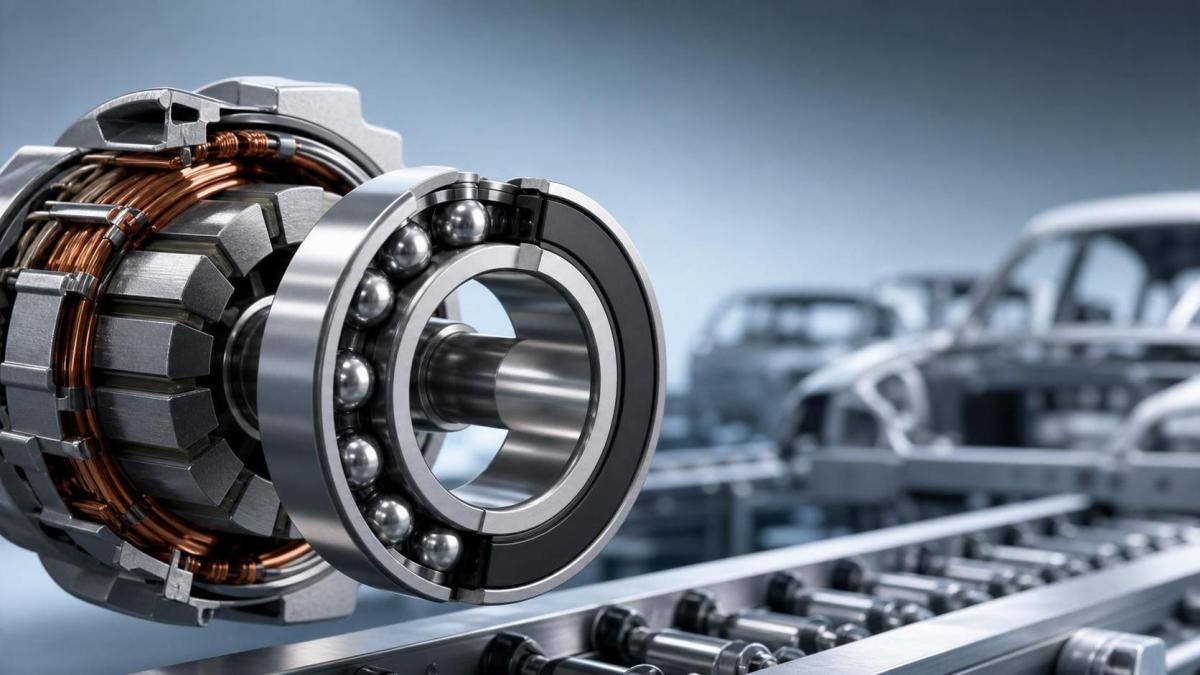
A Deep Groove Ball Bearing is designed with raceways that closely match the balls it carries. That geometry supports low friction and stable running at high speed.
It can handle radial loads very well and also carry moderate axial loads in both directions. This balance explains why it appears in so many rotating systems.
In practical terms, it is often chosen when a machine needs reliable rotation without the added complexity of more specialized bearing designs.
The bearing industry continues to favor this format because it is easier to source, easier to match with housings and shafts, and easier to maintain over time.
What makes Deep Groove Ball Bearing performance attractive
The most recognized advantage is versatility. A single Deep Groove Ball Bearing design can serve light-duty appliances, industrial conveyors, electric motors, pumps, fans, and vehicle components.
Low friction is another reason it is widely specified. Reduced friction supports cooler operation, lower energy loss, and better speed capability.
Noise and vibration control also matter. When manufacturing accuracy is high, these bearings help equipment run more quietly and with more stable rotation.
Cost efficiency is important as well. Compared with many specialty bearings, deep groove designs usually offer a strong balance between purchase price, service life, and replacement convenience.
- Good speed capability for motors, fans, and precision rotating parts
- Stable radial load handling in common industrial equipment
- Moderate axial load support without added structural complexity
- Wide availability in open, shielded, and sealed versions
- Practical lifecycle value for large-volume applications
Common uses across industrial and transport systems
Deep Groove Ball Bearing applications are broad because many machines need smooth rotary motion more than extreme load specialization. The bearing fits that middle ground well.
Electric motors are one of the most common examples. High rotational speed, continuous duty, and efficiency targets make this bearing a natural choice.
Automotive systems also depend on this format in selected assemblies where compact size, rotational stability, and predictable lifespan are required.
In machine tools, the selection depends on the exact position in the machine. For non-extreme load points, deep groove bearings support smooth and economical operation.
Mining, steel, and wind power environments are more demanding. Even there, deep groove variants still serve supporting roles when sealing, material quality, and lubrication are properly matched.
Why manufacturing quality changes the result
Two bearings with the same dimensions can perform very differently. Material cleanliness, grinding precision, raceway finish, heat treatment, and inspection standards all affect service life.
This is why supplier capability matters as much as nominal specification. A Deep Groove Ball Bearing should be judged by consistency, not only by model number.
Liaocheng Tianyue Bearing Co., Ltd., established in 2007, reflects this industrial reality. Its integration of research, design, and production supports better process control.
Advanced testing equipment and high-precision CNC grinding machines help build the dimensional accuracy and running stability expected in modern bearing supply.
Its subsidiary, Anhui Luban Bearing Company, produces multiple bearing series, including deep groove ball bearings for machine tools, steel mills, coal mines, automobiles, and wind power.
That range matters because broad application experience often improves a supplier’s ability to match bearing design with real operating conditions rather than catalog assumptions.
Selection points that deserve closer attention
Choosing a Deep Groove Ball Bearing is rarely about size alone. Several details influence whether the bearing will perform as expected once installed.
Load and speed balance
If speed is high, friction and heat become critical. If load spikes are frequent, internal clearance and material strength deserve more attention.
Sealing and contamination control
Dust, moisture, and fine particles shorten bearing life quickly. In many environments, sealed options are more practical than open types.
For example, a product such as Long Life Precision Rubber Sealed Bearing China Factory Supply 6300 2RS Deep Groove Ball Bearings fits applications where contamination resistance and grease retention are important.
Tolerance and installation quality
Poor shaft fit or housing alignment can damage even a high-quality bearing. Installation method, preload conditions, and mounting cleanliness should never be treated as minor details.
Lubrication strategy
Grease type, relubrication interval, and operating temperature influence noise, wear, and rolling smoothness. The right lubricant supports the full benefit of the bearing design.
Where business value becomes visible
The business case for a Deep Groove Ball Bearing is usually seen in maintenance records, replacement intervals, and equipment stability rather than in a single purchase decision.
When bearing quality is consistent, downtime becomes easier to predict. Spare parts planning also improves because performance variation is lower across batches.
This is one reason companies with stable quality and competitive pricing gain attention in both domestic and export markets. Supply continuity matters as much as technical compliance.
Liaocheng Tianyue Bearing Co., Ltd. benefits from a strong logistics position near major rail and expressway connections, which supports broader distribution across China and overseas regions.
That commercial reach suggests a useful point: bearing selection is not only technical. It also depends on lead time, repeatability, after-sales response, and confidence in future replenishment.
A practical way to evaluate the next option
A useful review starts with operating conditions. Check speed, radial load, axial load, temperature range, contamination level, and expected maintenance cycle.
Then compare bearing structure, sealing form, precision grade, and supplier process capability. This approach gives a clearer picture than comparing price alone.
If a sealed solution is under consideration, reviewing options like Long Life Precision Rubber Sealed Bearing China Factory Supply 6300 2RS Deep Groove Ball Bearings can help connect catalog data with actual application demands.
Deep Groove Ball Bearing selection works best when technical fit, production quality, and supply reliability are assessed together. That creates a stronger basis for long-term equipment performance and more confident sourcing decisions.

Thank you very much for writing to us. Please leave your message and contact information, we will reply to you within 24 hours.