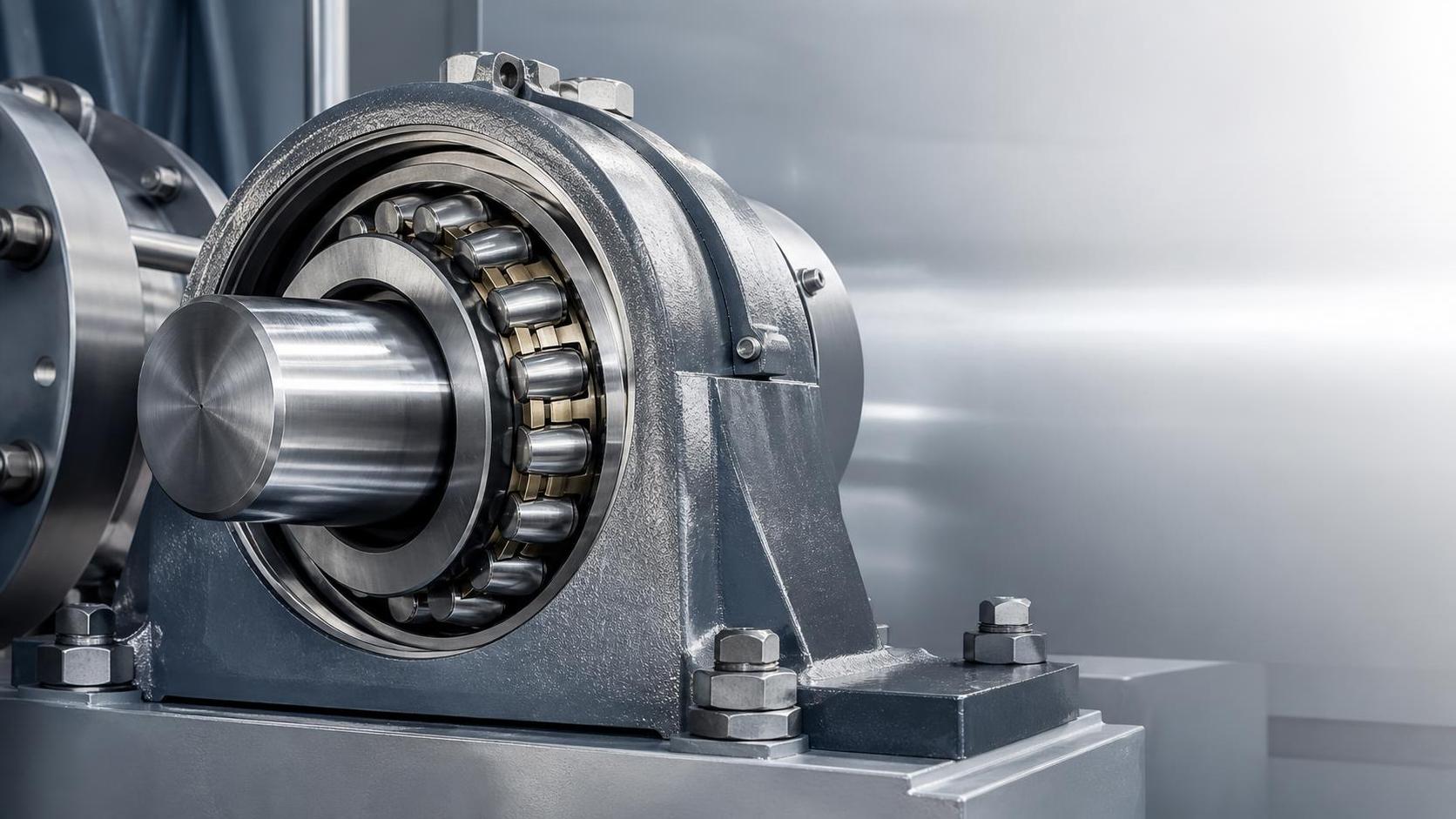
In heavy machinery, service intervals often get shortened for reasons that do not look dramatic at first. A machine may still be running, but operators notice more heat, more vibration, or a gradual rise in noise. By the time those signals are obvious, the bearing has usually been working under stress for a while. That is why maintenance teams often look beyond routine lubrication and ask a simpler question: is the bearing choice helping the machine tolerate real-world conditions, or is it making the problem worse?
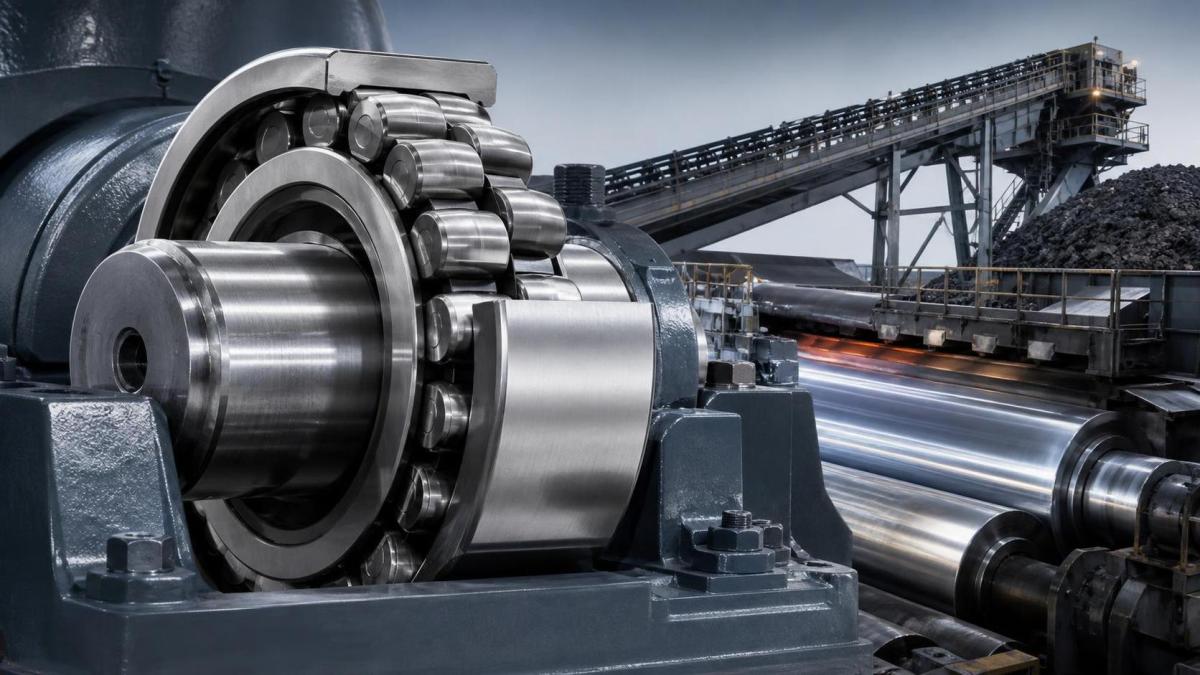
For equipment such as steel mill rollers, mining conveyors, crushers, and wind power drives, misalignment is not unusual. Frames flex, shafts shift slightly under load, and installation conditions are rarely perfect. In that setting, a Self-Aligning Roller Bearing can be part of the answer because it can compensate for angular errors while still carrying heavy radial loads. The key is to understand where it helps, where it does not, and how it fits into a broader maintenance plan.
When service intervals shrink sooner than expected
Many teams first notice the issue through repeat maintenance. Grease changes become more frequent. Vibration checks show unstable readings. A bearing that should have run smoothly starts showing signs of edge loading or uneven wear. The machine may still be usable, but every intervention pulls labor away from production and increases the chance of unplanned downtime.
This becomes especially frustrating when the rest of the machine looks healthy. The gearbox may be fine, seals may be intact, and alignment may have been checked during installation. Yet the bearing keeps becoming the weak point. In practice, this often means the operating environment is more demanding than the original setup assumed.
What usually shortens bearing life
One common mistake is treating all bearing failures as lubrication problems. Poor grease practice does matter, but it is only one piece of the picture. In heavy machinery, service intervals are often affected by a mix of factors:
- shaft misalignment caused by frame deflection or imperfect assembly
- heavy shock loads from start-stop operation or variable material flow
- contamination from dust, scale, water, or process debris
- temperature changes that alter clearances and lubricant behavior
- incorrect bearing selection for the actual load pattern
If the application regularly introduces misalignment, a rigid bearing arrangement may pass the load unevenly. That uneven contact raises stress on one side of the raceway and can force earlier inspection or replacement. A bearing that can self-align reduces that sensitivity, which is one reason it is often considered for harsh industrial equipment.
Where a self-aligning roller bearing makes sense
A Self-Aligning Roller Bearing is typically chosen when the machine needs both load-carrying strength and a degree of forgiveness in alignment. That combination matters in equipment that does not stay perfectly static during operation. Steel mills, coal handling systems, mining machines, and wind power equipment are all examples where working conditions can shift enough to challenge standard bearings.
The practical value is not that the bearing “solves” poor installation. It does not. But it can reduce the damage caused by minor angular errors, which helps the machine remain stable for longer. For decision-makers, that means the bearing is not just a component cost; it is part of the maintenance interval strategy.
How to judge whether it will actually extend intervals
The best way to evaluate the bearing is to compare the problem you have with the problem the bearing is designed to tolerate. Start with the operating pattern. If the machine sees frequent load swings, uneven base conditions, or repeated alignment drift after commissioning, a self-aligning design may be more suitable than a standard rigid option.
Then look at the failure pattern. If wear shows up on one side, if vibration rises after installation changes, or if the bearing keeps failing even when lubrication practice is consistent, misalignment may be part of the root cause. In that case, switching to a Self-Aligning Roller Bearing can be a reasonable step, but only if the load, speed, and housing design are also compatible.
It is also worth checking the maintenance workflow. If inspections are already scheduled and contamination control is weak, a better bearing alone will not carry the full burden. It should work together with correct sealing, proper mounting, and grease discipline.
Practical steps before changing the bearing type
Before replacing an existing arrangement, maintenance teams usually benefit from a simple review process. First, confirm whether the problem is alignment-related rather than purely lubrication-related. Second, check whether the shaft and housing can support the new bearing geometry without adding new stress points. Third, review the real load conditions, not just the nameplate conditions, because heavy machinery often runs outside ideal assumptions.
If the application is critical, trialing the bearing in one section of the line can be more useful than changing every unit at once. That allows the team to observe running temperature, vibration trend, grease condition, and inspection frequency under actual service conditions. The goal is not to chase a perfect number; it is to see whether the machine becomes more stable and easier to maintain.
A better question than “does it last longer?”
For many buyers, the real question is whether the bearing helps the whole machine stay in service with fewer interruptions. In that sense, a Self-Aligning Roller Bearing can extend service intervals when misalignment and heavy load are part of the normal operating environment. It is less about promise and more about fit.
That is why bearing selection should be treated as a maintenance decision, not a catalog decision. If the machine is used in steel mills, mining equipment, wind power systems, or similar demanding applications, the right bearing arrangement can reduce repeat adjustments and make inspection cycles more predictable. If the operating conditions are stable, the same bearing may be unnecessary.
For decision-makers, the most useful approach is to match the bearing design to the machine’s real behavior, then support it with sound installation and routine checks. That is usually where longer service intervals start: not from one part alone, but from a setup that can handle the conditions it will actually face.

Thank you very much for writing to us. Please leave your message and contact information, we will reply to you within 24 hours.